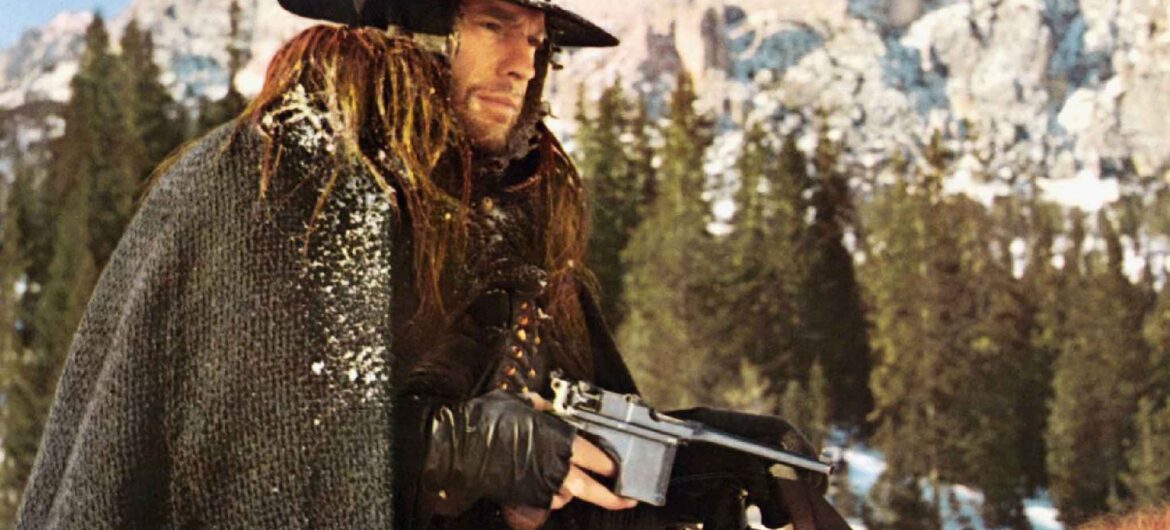
Sergio Corbucci made dark western films. He understood the genre’s capacity for moral ugliness and exploited it with a consistency that placed him, for certain critics, alongside Leone as the form’s defining Italian practitioner. But of all his films, The Great Silence Corbucci gothic western film of 1968 — Il Grande Silenzio in Italian — stands apart. It is not merely dark. It is nihilistic in a way that the genre had not attempted before, and has rarely matched since.
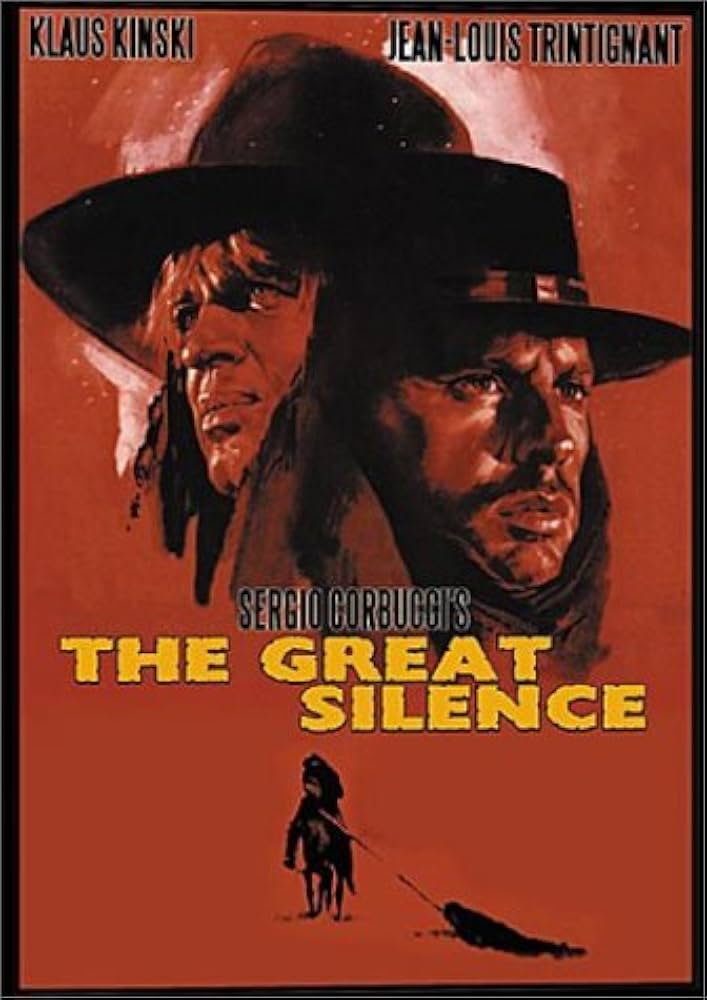 The film is set in the winter of 1898 in the mountains of Utah — not the dusty, sun-bleached landscape that the spaghetti western had made its signature, but a world of snow, ice, and silent cold. The decision to film in the Dolomites gives the film an entirely different visual register from its contemporaries. The landscape here is not oppressive through heat and aridity. It is oppressive through silence and the absolute indifference of the cold.
Jean-Louis Trintignant plays Silence, a mute gunfighter — his throat cut as a child by the men who killed his parents — who operates as an avenger for the poor against the bounty hunters who prey on outlaws driven to banditry by starvation. Klaus Kinski plays the bounty hunter Loco, a figure of such cheerful, mercantile evil that he functions as the film’s real philosophical statement: in a world governed by law and money, cruelty wins.
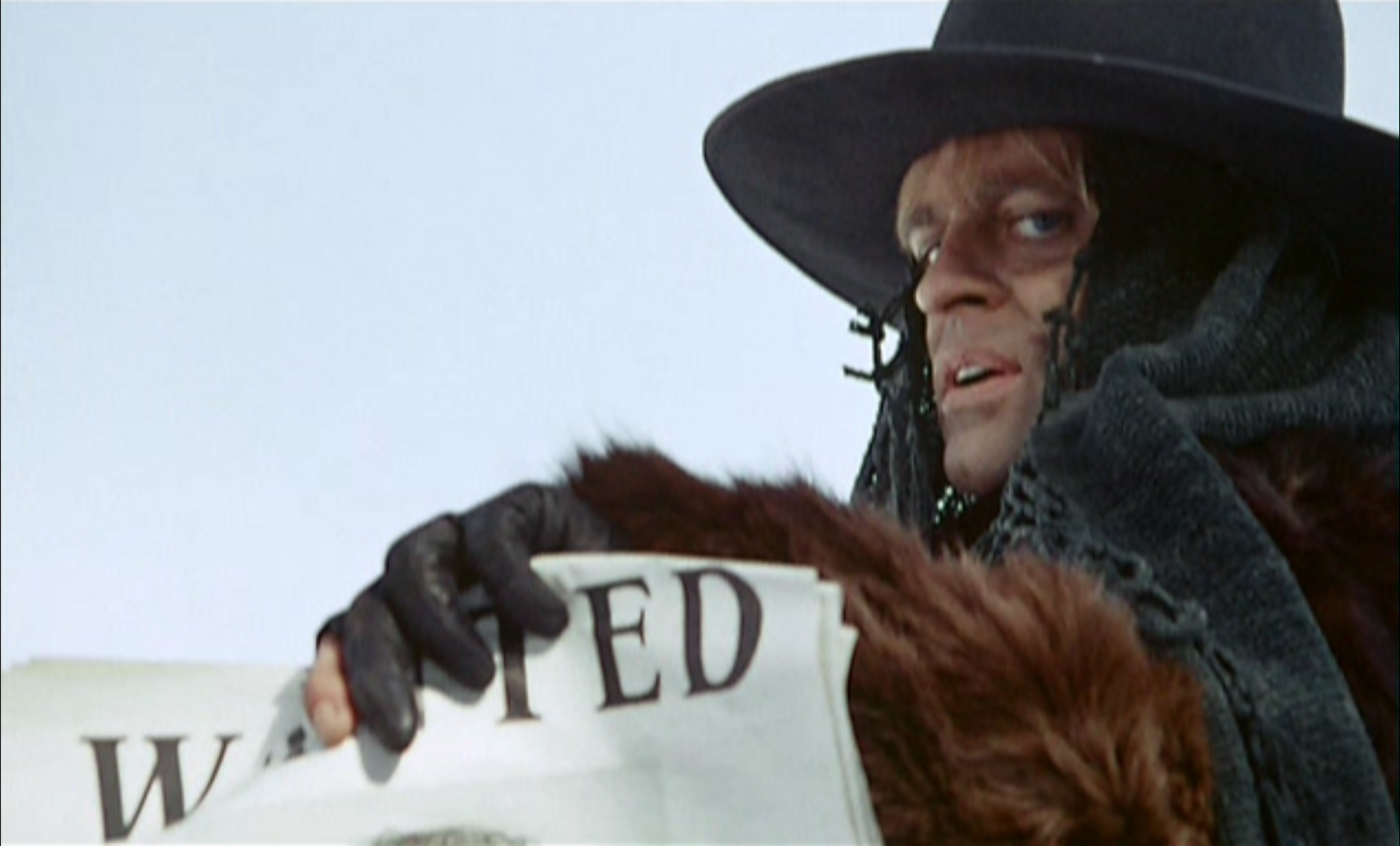
Corbucci’s The Great Silence, like many dark western films, is remembered above all for its ending, which was genuinely shocking at the time of release and remains so. Corbucci refused the genre’s convention of the hero’s survival. He was, reportedly, making a statement about political violence and its futility in contemporary Italy. The allegory is there for those who want it, but the film works as pure gothic western without it — as a story about a world in which the cold kills everyone equally and the good die first.
Ennio Morricone’s score for the film is among the most mournful music ever attached to a western. It does not accompany the action. It mourns it.



